 Pressmediaofindia
Related Articles



19-12-2025
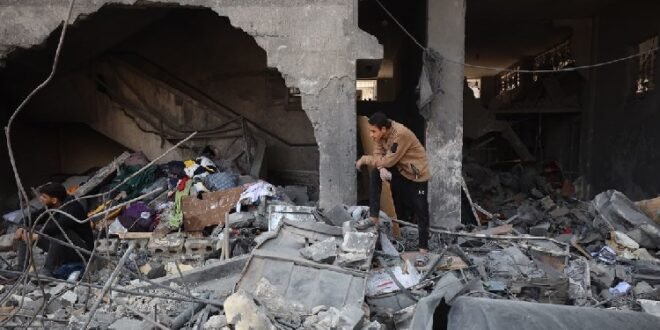
GAZA STRIP: Another Gaza home caves in, turning what little sense of safety remained into fear and displacement. The collapse happened quietly but left devastation behind. Walls that once protected a family now lie in rubble and the roof that once provided shelter is gone. For the residents, survival now means facing exposure, uncertainty, and a future without stability.
 This incident reflects a growing pattern. Every week, reports emerge that a Gaza home caves in, not from a single dramatic event, but from prolonged damage, neglect, and a lack of repair materials.
Homes weakened over time
Many homes across Gaza are structurally unsound. Cracks in walls, sagging ceilings, and damaged foundations are common. When a Gaza home caves in, it is often the final stage of months of deterioration. Families notice warning signs but lack the means to fix them.
Repair materials such as cement, steel, and wood remain scarce. Without these essentials, residents rely on makeshift solutions that do little to prevent collapse.
Shelter aid restrictions deepen the crisis
One of the main reasons a Gaza home caves in is the continued shortage of shelter assistance. Emergency tents, prefabricated housing, and reinforcement materials are limited or blocked. Humanitarian organizations warn that without access to shelter supplies, unsafe buildings will continue to fail.
Shelter is not optional. It is a basic necessity. When aid is restricted, families are left with no alternative but to stay in dangerous homes.
 Families with nowhere to go
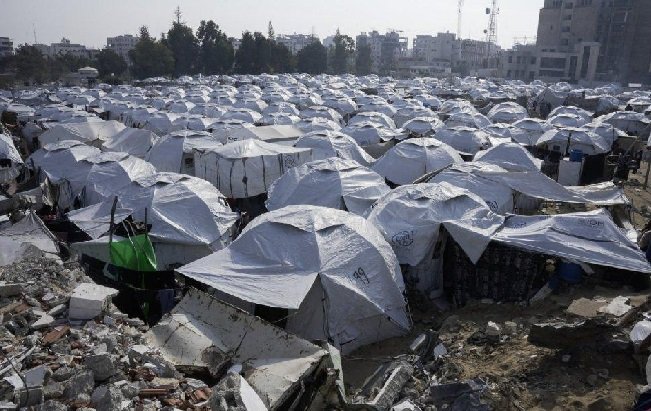
When a Gaza home caves in, displacement follows immediately. Yet there are few safe places for displaced families. Shelters are overcrowded, relatives are already hosting multiple households, and open spaces offer little protection.
Many families return to damaged homes even after collapse because the risk of exposure feels worse than the risk of another cave in.
Children living with fear
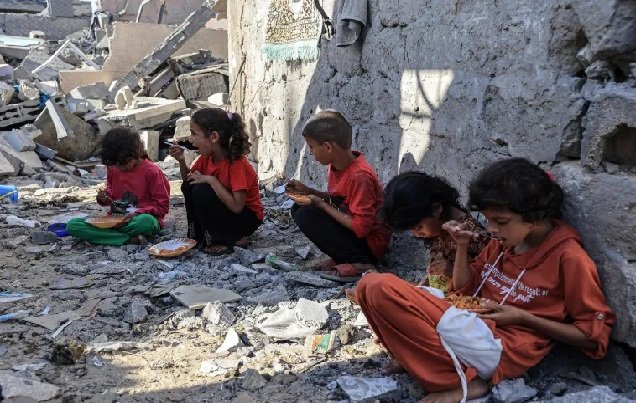
Children are among the most affected when a Gaza home caves in. Falling debris can cause injuries, while the loss of a home disrupts education, routines, and emotional stability. Parents describe children who flinch at loud noises and fear sleeping indoors.
The psychological impact of housing insecurity leaves long lasting scars that go far beyond physical damage.
Elderly and disabled at higher risk
When a Gaza home caves in, elderly residents and people with disabilities face extreme danger. Limited mobility makes evacuation difficult, and access to medical care is already strained. Even minor injuries can become life threatening.
Families struggle to protect vulnerable members while living in unstable environments.
Mental health consequences
Living under the constant fear that a Gaza home caves in creates severe emotional stress. Residents report insomnia, anxiety, and feelings of helplessness. Many take turns staying awake at night to monitor cracks or listen for unusual sounds.
Mental health professionals warn that prolonged housing insecurity compounds existing trauma caused by displacement and conflict.
Loss of dignity and privacy
When a Gaza home caves in, families lose more than a structure. They lose privacy, dignity, and a sense of belonging. Personal belongings, documents, and memories are often destroyed in the collapse. (Int’l News Desk)