 Pressmediaofindia
Related Articles



29-03-2026
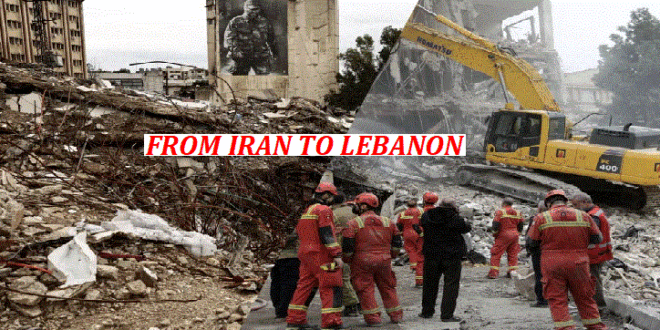
BEIRUT/ TEHRAN: The war launched by the United States and Israel has killed more than 1,500 people in Iran.
 This number is considered conservative, as actual calculations are yet to be released by the authorities but the devastation from the war has also triggered mass displacement in the country: the United Nations refugee agency, UNHCR, estimates that 3.2 million people, more than 3 percent of the population have already been displaced within Iran since US-Israeli strikes began on February 28.
Twenty-seven days into the conflict, aid agencies and countries bordering Iran are bracing themselves for a potential refugee crisis as civilians begin to flee the violence.
Cross-border flows have been limited and largely economic or short-term. In Afghanistan, most arrivals are Afghan returnees from Iran, citing insecurity or forced returns. Pakistan reports only authorized entries by citizens or traders, with no refugee inflows.
Turkiye, Turkmenistan and Azerbaijan report stable borders, limited authorized crossings, and occasional evacuations of third-country nationals.
Iraq has seen small-scale returns and 325 Iranian nationals crossing the border, citing the crisis. Within Iran, people have been forced from the ruins of their homes, and several hospitals, nuclear facilities, refineries and desalination plants have been hit.
However, pressure on the ground in Iran is mounting as more than 85,176 civilian sites have been damaged since the war began, including 282 healthcare facilities, 600 schools and 64,583 homes. In Tehran alone, the city administration said to local media that nearly 14,000 residential units in the capital have been damaged and at least 6,000 people have been accommodated in municipal hotels.
 The growing risks of disruption to essential services are driving complex mobility patterns but Iran is not the only country where the rapidly expanding war has led to a displacement crisis.
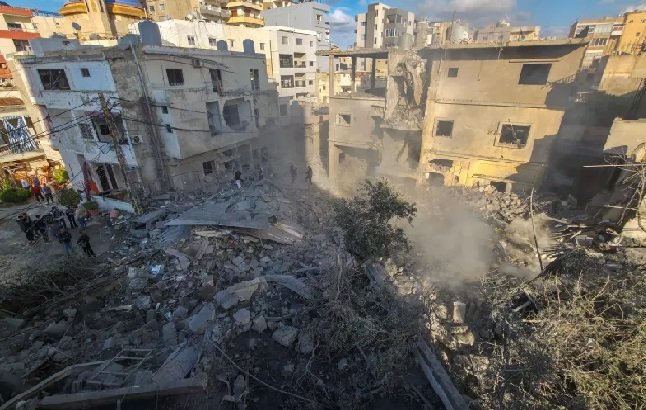
The Israeli army has expanded its forced displacement orders for residents of southern Lebanon from the Litani River to north of the Zahrani River, about 40km (25 miles) north of the Israeli border.
According to the Norwegian Refugee Council, Israel’s sweeping evacuation orders now cover more than 1,470sq km (568sq miles), or about 14 percent of the country’s territory.
The map below shows more than 100 towns and villages across the country that are under forced evacuation orders from the Israeli military.
Israel’s ground troops are also now increasingly expanding their de facto occupation of parts of southern Lebanon, with Israeli authorities claiming that they want to create what they describe as a “buffer zone”.
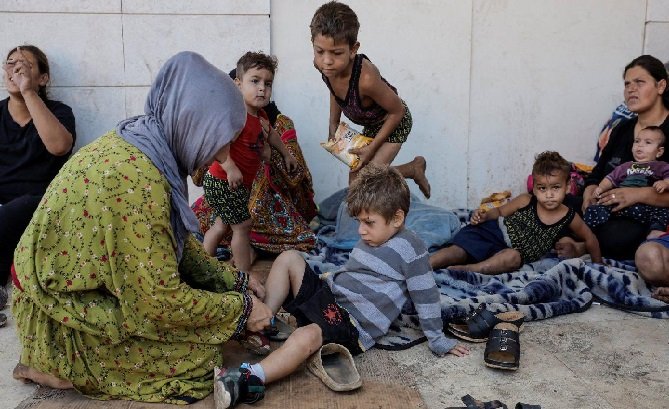
Nearly one in five people in Lebanon or 18 percent of the population have been displaced over the past two weeks.
According to the International Organization for Migration, the total number of registered displaced people has reached 1,049,328, and the number of displaced people residing in collective shelters is 132,742.
The pace of displacement has outstripped the country’s shelter capacity. Many families have been unable to secure accommodation and are spending nights in streets, vehicles or public spaces as collective shelters fill up. For many of them, this is not the first time.
More than 250,000 people have left Lebanon over the past two weeks, a 40 percent increase compared with the last two weeks of February. (Int’l News Desk)