 Pressmediaofindia
Related Articles

07-03-2026
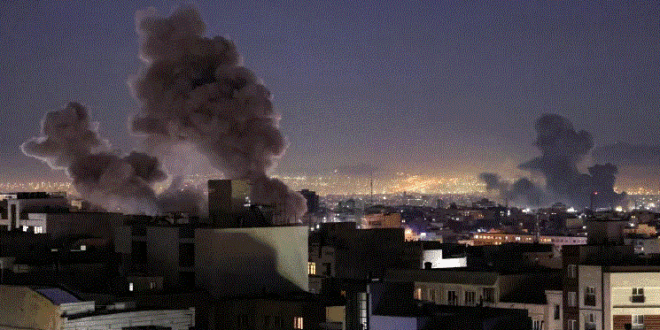
TEHRAN: Explosions have been reported across Iran and Israel says it is carrying out new attacks on Tehran.
The United States and Israel continue to bombard Iran, killing at least 1,230 people since Saturday, as Israeli forces also hammer Lebanon.
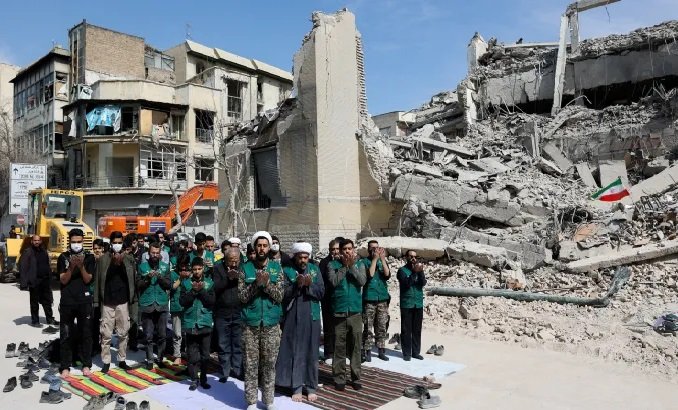 The US Senate has blocked a resolution to curb President Donald Trump’s military campaign against Iran, voting 53 to 47 against the procedural motion.
Iran’s Foreign Minister Abbas Araghchi has warned of “terrorist movements” on the country’s border with Iraq and called for measures to bolster security there amid reports that the US is in talks with Kurdish forces in a bid to arm them and foment an uprising against Tehran.
The conflict has throttled global oil and gas supplies, with cargo vessels avoiding the vital Strait of Hormuz after the Iranian Revolutionary Guard Corps (IRGC) announced its closure.
“The war might last weeks, so my family and I will only leave if it gets too bad. For now, life goes on,” says Sepehr, a resident of eastern Tehran.
The booming sound of explosions has been a daily reality this week where he lives, at times leaving thick smoke billowing to the horizon and shaking windows, he told media, asking to remain anonymous due to security reasons.
The scenes are similar across Tehran, a sprawling city of nearly 10 million people, with United States and Israeli missiles raining down in quick succession during waves of attacks that have taken place at all hours of the day since the start of the war on Saturday morning, which has killed more than 1,000 people.
Iranian officials said on Thursday that some water and electricity facilities were damaged by projectiles and asked people to conserve resources, but no widespread outages have been reported so far.
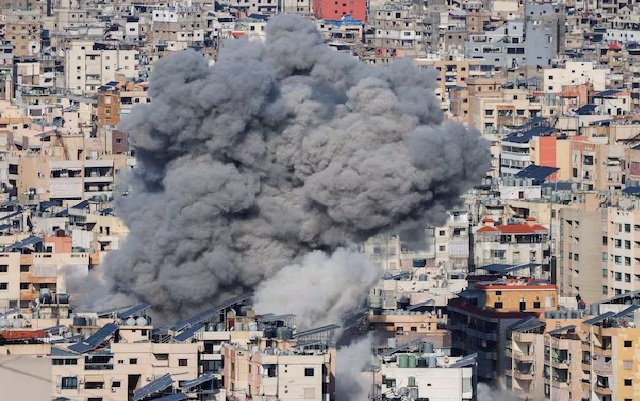 The streets of the capital are noticeably quieter and less congested than usual, and many businesses are closed. However, the basic necessities remain largely available, both in person and through online orders.
“When the bombing runs seem finished for a while, I go for a short walk once during the day to get some essentials from the local shops. There are usually queues for bread, which are not too long, and there are queues at some petrol stations,” said Marjan, who lives in a western neighborhood.
“Except for a few items that might be in shorter supply, the shops mostly have everything you want for now, but who knows what could happen later. Either way, the prices are breaking people’s backs,” she said.
Two days before the start of the war, the Statistical Centre of Iran (SCI) and the Central Bank of Iran released separate reports that painted a grim picture of how the daily livelihoods of 90 million people had been affected by runaway prices.
The SCI put annual inflation in the Iranian month of Bahman, which ended on February 19, at 68.1 percent, while the Central Bank put it at 62.2 percent. These were some of the highest inflation rates recorded since the pre-Islamic revolution of 1979 that birthed the incumbent theocratic establishment, stoking further concern of potentially looming hyperinflation.
Iran has one of the highest food inflation rates in the world, which stood at a whopping 105 percent by the end of last month, according to the SCI.
That included a 207 percent inflation rate for cooking oil, 117 percent for red meat, 108 percent for eggs and dairy products, 113 percent for fruits and 142 percent for bread and corn.
First Vice President Mohammad Reza Aref told state media on Wednesday that the government had concerns about providing sufficient medicine and medical equipment, “but fortunately today conditions are good”. (Int’l Monitoring Desk)