 Pressmediaofindia
Related Articles



07-12-2025
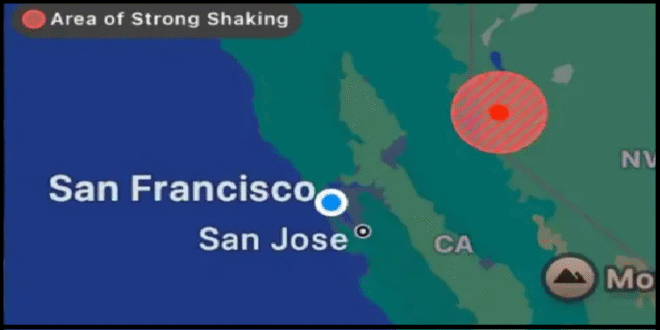
SAN FRANCISCO: An alert that Nevada had been rocked by a 5.9-magnitude earthquake early Thursday sent phones buzzing briefly before the US Geological Survey quickly deleted the warning from its website and said it had been sent in error.
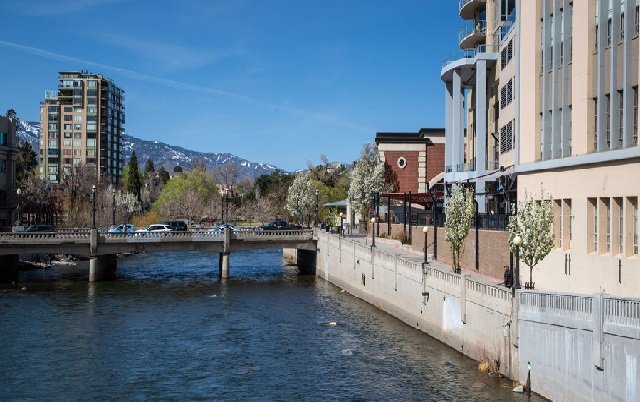 The alert for what would have been one of the largest earthquakes in the United States this year set off a chain of automatic warnings as far away as the San Francisco Bay Area as people in Dayton, Nev., and nearby Reno began to report that they had felt no shaking.
The warning was released by a USGS tool called ShakeAlert that is designed to inform people about earthquakes before they feel shaking. It was the first time the system had botched an alert since it started warning the public in October 2019, said Robert de Groot, the operations team lead for the ShakeAlert system.
Once word went out that it was a false alarm, local emergency management officials were able to “quell everyone’s expectations and slow everything down,”
Bakkedahl said. Taylor Allison, the emergency manager in Lyon County, Nev., said that residents had started calling 911 after they got the alert on their phones. Lyon County includes Dayton, where the alert had claimed that the epicenter was located.
“We were ready to activate damage assessments” before the county confirmed that it was a false alarm, Ms. Allison said.
At least four sensors must detect shaking to trigger an alert from the USGS, de Groot said but after the alert on Thursday morning, staff members at the Nevada Seismological Laboratory quickly looked at their instruments, “and there was nothing there,” said Graham M. Kent, a seismologist and director emeritus of the lab. Not only that, he said, “we were all close enough, we would have just have felt it.”
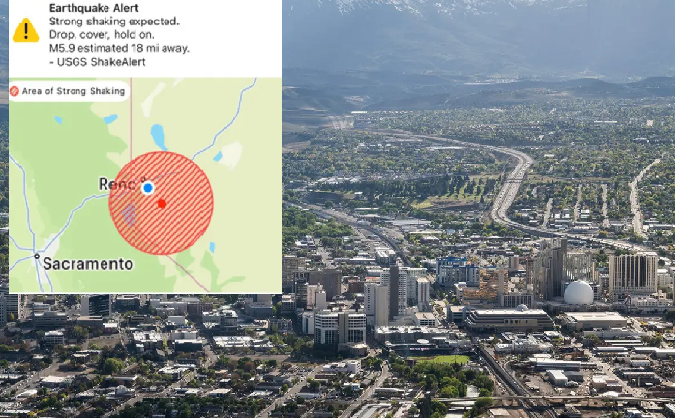 A 5.9-magnitude earthquake would have been strong enough to knock objects off shelves, cause damage to older brick buildings and crack the stucco or siding on wood-frame houses, Dr. Kent said. He said he wanted to know more about why the system, designed to give people time to find safe shelter during an earthquake, had failed. “There has been a lot of successful reporting using the ShakeAlert system in the last few years, so we’re headed in the right direction,” Dr. Kent said. “This isn’t a good look.” The messages people in Nevada and California received on their mobile phones were created by ShakeAlert. The system is designed to detect earthquakes as soon as they start through nearly 1,700 seismic stations buried under the ground in California, Oregon and Washington, the only states that are part of the network. These stations quickly gather information to determine which areas are likely to experience strong shaking.
The MyShake app uses the data to send early earthquake warnings. The Wireless Emergency Alerts system (the same technology used to send Amber Alerts) also delivers early earthquake warning messages to cellphones.
ShakeAlert, the only warning system of its kind in the nation, was introduced in California in 2019 and was expanded to Oregon and Washington in 2021, serving some 50 million residents and visitors.
Angie Lux, project scientist for Earthquake Early Warning at the Berkeley Seismology Laboratory, said this was the first time that ShakeAlert had falsely reported an earthquake. The USGS also has a traditional seismological network and it has reported false earthquakes in the past.
Nevada is not part of the ShakeAlert network, but large earthquakes in states outside the network can trigger the system, according to Christie Rowe, director of the Nevada Seismological Laboratory. On Thursday, people in California, more than 200 miles from the epicenter of the false quake, received alerts through the system. (Int’l Monitoring Desk)