 Pressmediaofindia

Related Articles



08-04-2026
Warning: This piece refers to scenes of violence from the start
BUDAPEST: When a video went viral appearing to show a Hungarian soldier’s execution, its disturbing nature came as a shock to anyone who saw it.
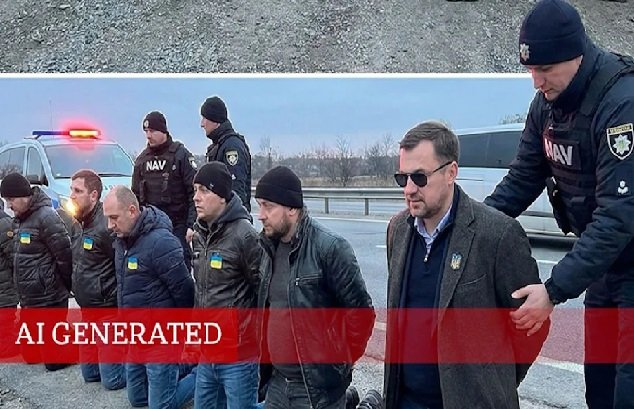 Ahead of pivotal Hungarian elections on Sunday 12 April, the AI-generated, fake clip was posted on the social media accounts of Prime Minister Viktor Orban’s Fidesz party in February.
It tells the story of a young girl at a window yearning for her father’s return home from war, and then the video cuts to him blindfolded, bound by the hands and then shot by his captors.
The video targeted Orban’s election rival, Peter Magyar, who could unseat him after 16 years in office.
The Fidesz campaign has made unsubstantiated claims about the war in Ukraine and Magyar’s intentions, at times using AI-generated videos like this, even though it makes clear the video is fake.
“The video is an AI video, but the war is really horrible,” the video says. “Peter Magyar doesn’t want you to see this video. He doesn’t want you to see what an irreversible tragedy it is to join a war.”
Fidesz alleges that Magyar, from the centre-right party Tisza, will bring Russia’s war against Ukraine to its doorstep if elected, even using pension money to support Ukraine and imposing forced conscription.
Such narratives have been widely rejected by Magyar and by his party Tisza. In its manifesto, it pledges it will not send troops to Ukraine and does not plan to revive conscription. We asked ruling party Fidesz whether it had made the AI execution video and why it had posted it on to its social media channels but the party has not responded to our questions.
In an interview with a journalist posted to Facebook, Tamas Menczer, who is communications director of the Fidesz-KNDP alliance, responded to a question about the AI video saying he believed “the greatest possible danger is that Hungarian people could die if Tisza wins, because Tisza supports the war, Tisza supports sending money”.
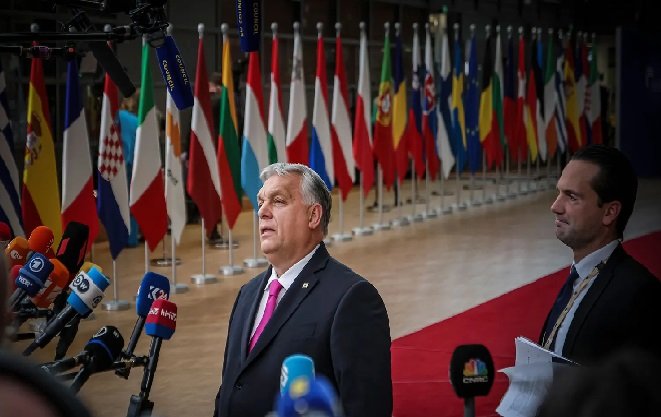 However, he did not comment on the video being made with AI.
Magyar has condemned the video stating that Fidesz “crossed all limits” and called the video “heartless manipulation”.
Zsofia Fulop, a journalist at Hungary’s only dedicated independent fact-checking website, Lakmusz, says while such narratives from the ruling party are not new, the use of generative AI is.
“It is omnipresent in this campaign, especially in the communication of the ruling party and its media and proxies. They’ve used it before but now it’s massive.”
The strategy does not appear to have had much of an impact on voters, with Magyar leading in most opinion polls.
Social media posts by Fidesz’s allies have parroted similar anti-Ukrainian narratives.
Last month the National Resistance Movement (NEM), a pro-Fidesz political activist group shared a video made using AI that depicts a phone call between European Commission President Ursula von der Leyen and Peter Magyar discussing sending money to Ukraine. It was viewed more than 3.7 million times.
“When the phone rings and a request comes, then he won’t be able to say no,” the accompanying caption read. NEM did not disclose the video had been made using AI. Magyar called it out as fake but the video had already been shared widely by pro-government media as well as Fidesz politicians, including the prime minister. In his post, Orban stated that the video had been AI-generated but warned it could become a reality. (Int’l Monitoring Desk)