 Pressmediaofindia
Related Articles

17-02-2026
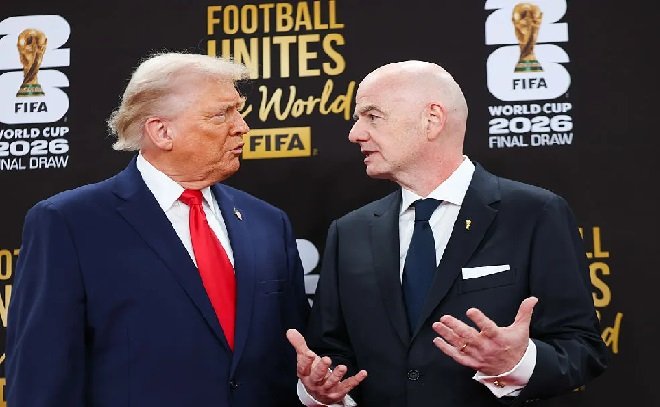
ZURICH: On January 6, a group of 25 British members of parliament tabled a motion urging global sporting authorities to consider excluding the United States from hosting the 2026 FIFA World Cup until it demonstrates compliance with international law. It followed weeks of mounting pressure across Europe over the political climate surrounding a tournament expected to draw millions of viewers and symbolizing international cooperation.
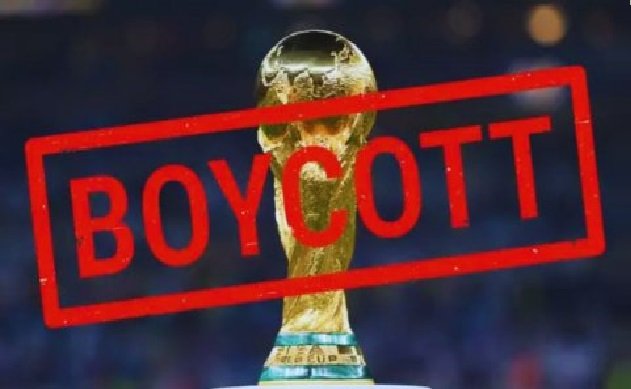 Dutch broadcaster Teun van de Keuken has backed a public petition urging withdrawal from the competition while French parliamentarian Eric Coquerel has warned that participation risks legitimizing policies he argued undermine international human rights standards.
Much of the scrutiny has focused on US President Donald Trump’s immigration crackdown and broad assaults on civil liberties. The deaths of Minneapolis residents Renee Nicole Good and Alex Pretti during immigration enforcement operations in January triggered nationwide outrage and protests. In 2026, at least eight people have been shot by federal immigration agents or died in immigration detention.
These developments are serious, but they point to a broader question about power and accountability, one that extends beyond domestic repression and into the consequences of US policy abroad. The war in Gaza represents a far deeper emergency.
For decades, Washington has served as Israel’s most influential international ally, providing diplomatic protection, political backing and roughly $3.8bn in annual military assistance. That partnership finances and shapes the destruction now unfolding across Palestinian territory.
Since the day the war began on October 7, 2023, Israel’s military has killed more than 72,032 Palestinians, wounded 171,661 and destroyed or severely damaged the vast majority of Gaza’s housing, schools, hospitals, water systems and other basic civilian infrastructure. Nearly 90 percent of Gaza’s population about 1.9 million people, has been displaced, many repeatedly, as bombardments move across the enclave. Meanwhile, Israeli forces and armed settlers have intensified raids, farmland seizures and sweeping movement restrictions across Palestinian communities in Jenin, Nablus, Hebron and the Jordan Valley in the occupied West Bank.
 By many accounts, Israel is carrying out a genocide.
Across the African continent, this grave assault carries profound historical resonance because organized sports competitions have often been inseparable from liberation struggles.
On June 16, 1976, 15-year-old Hastings Ndlovu joined thousands of schoolchildren in Soweto protesting against the imposition of Afrikaans language education. By the end of the day, he was dead, shot by police as officers opened fire on unarmed pupils marching through their own neighborhoods.
Hastings was murdered by a regime that viewed African children as political threats rather than students or even human beings. Police killed 575 youths and injured thousands more that day, yet the bloodshed failed to disrupt diplomatic and sporting relations between the apartheid state and several Western allies.
Weeks later, as families buried their children in solemn funerals, New Zealand’s national rugby team, the All Blacks, landed at Jan Smuts Airport in Johannesburg on June 25, ready to play competitive matches inside the segregated republic.
The tour provoked fury among many young African governments. Within weeks, the backlash reached the 1976 Montreal Olympic Games in Canada. Twenty-two African countries withdrew after President Michael Morris and the International Olympic Committee chose not to act against New Zealand. (Int’l Monitoring Desk)